How Secure Digital Wallets Shape Tiered Rewards on Regulated Scandinavian Gaming Platforms
Skriven av Blake Russell · 2026-08-22

How Secure Digital Wallets Shape Tiered Rewards on Regulated Scandinavian Gaming Platforms
Secure digital wallets have become central to how players interact with regulated gaming platforms across Sweden, Norway, Denmark, and Finland, where operators must comply with strict licensing rules that tie deposit speed and verification directly to loyalty program progression.
Wallet Security Standards in Nordic Markets
Platforms licensed by national authorities integrate wallets that support instant verification through bank APIs, which reduces the time between deposit and eligible play; this matters because tier advancement often depends on tracked deposit volume within set periods, and faster confirmation lets activity register sooner without manual review delays.
Regulatory Framework Updates
Data from Spelinspektionen shows that platforms must maintain audit trails for all transactions, and secure wallets provide encrypted logs that satisfy these requirements while allowing operators to credit rewards automatically once thresholds are met.
Those who study payment flows note that wallets with built-in two-factor authentication and real-time fraud detection cut chargeback rates, which in turn stabilizes the player accounts used for tier calculations; lower dispute volumes mean fewer interruptions in the accumulation of points or levels that unlock higher reward brackets.
Connection Between Transaction Speed and Tier Progression
Regulated operators in Scandinavia structure tiers around metrics such as total deposits, wager amounts, and session frequency, all recorded through approved payment channels, and digital wallets that settle in seconds rather than hours let players reach minimum activity levels within the same calendar window, preserving momentum toward the next tier.
Research indicates that platforms using wallets compliant with PSD2 open-banking rules in the EU record higher completion rates for tier requirements during promotional windows, because players avoid the friction of traditional card processing that sometimes triggers additional compliance checks mid-month.
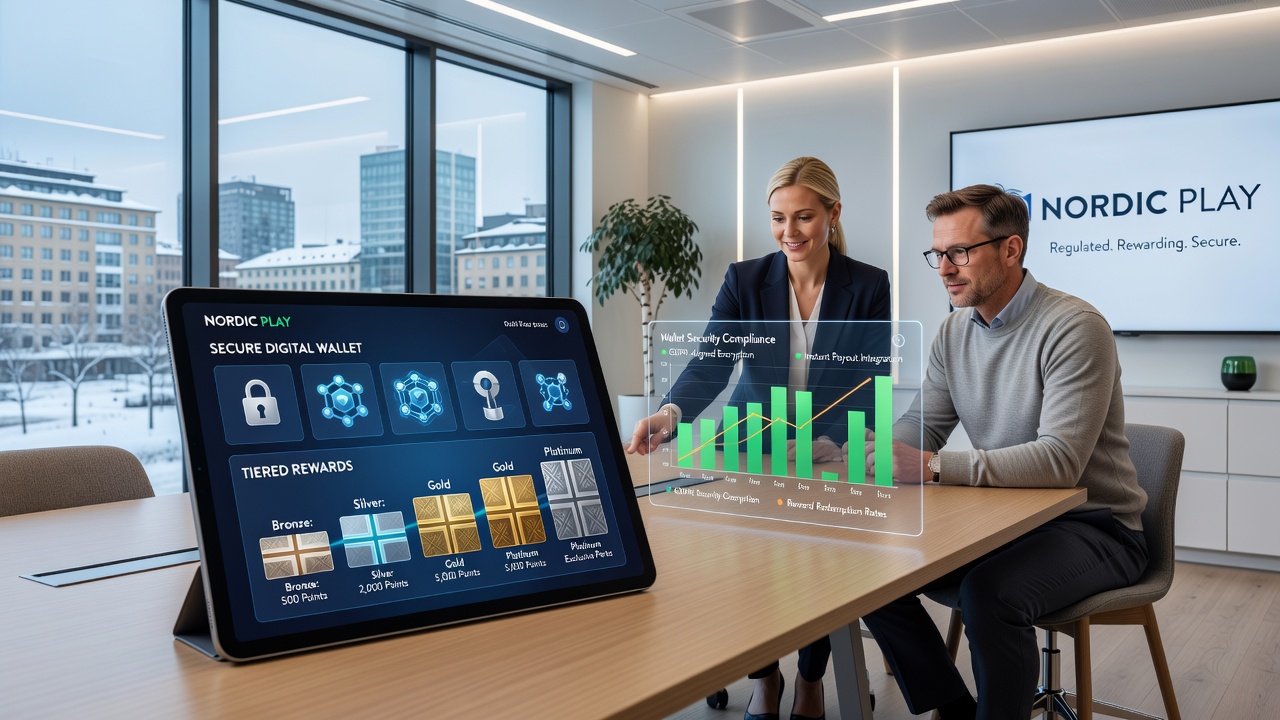
Impact on Reward Distribution Mechanisms
Secure wallets feed verified transaction data directly into backend loyalty engines, so when a player hits a deposit milestone the system can trigger cashback, bonus credits, or status upgrades without waiting for batch reconciliation at month end; this real-time linkage matters in August 2026 when several platforms plan to roll out updated tier structures that reward weekly activity streaks.
Observers note that wallets supporting multi-currency settlement help players on cross-border platforms maintain consistent tracking across different national licenses, since currency conversion happens at the wallet level and the converted amount still counts toward tier thresholds without manual adjustment.
Case Examples from Licensed Operators
One study of Norwegian platforms revealed that operators integrating wallets with biometric login saw a measurable rise in players completing the steps needed for silver and gold tiers, because fewer sessions were abandoned during the deposit phase; the same research tracked how these wallets reduced verification failures that previously stalled reward eligibility for weeks.
Figures from industry reports show similar patterns in Denmark, where platforms using certified wallets experienced steadier month-to-month tier retention, since secure transaction records reduced the number of accounts flagged for manual review and therefore kept loyalty points flowing uninterrupted.
Future Developments Expected by Late 2026
Authorities across the region continue to refine rules around digital payment security, and upcoming guidelines scheduled for review in August 2026 are expected to emphasize even tighter integration between wallet providers and gaming systems, which could further streamline how tiered rewards calculate and distribute.
Academic papers on Nordic gaming markets highlight that continued adoption of wallet-based authentication may also support responsible gaming tools, such as automatic spend limits that sync across tiers, giving players clearer visibility into how their activity aligns with reward levels without compromising security protocols.
Conclusion
Secure digital wallets influence tiered reward systems on regulated Scandinavian platforms by accelerating verified deposits, enabling real-time data flow into loyalty engines, and satisfying the compliance standards that protect both operators and players; as these technologies evolve, the mechanisms that determine tier access and reward delivery continue to tighten around the same secure transaction rails.